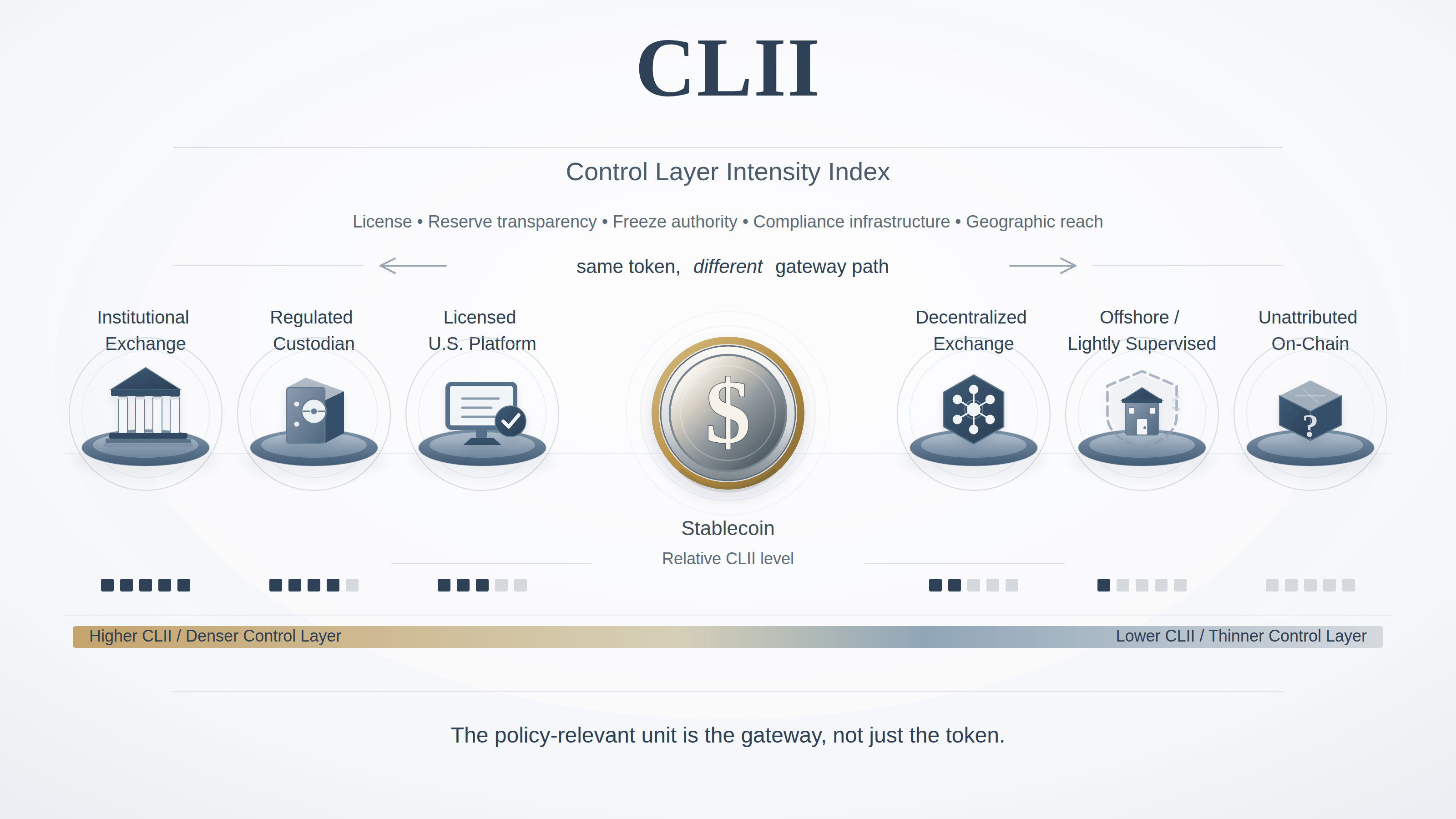
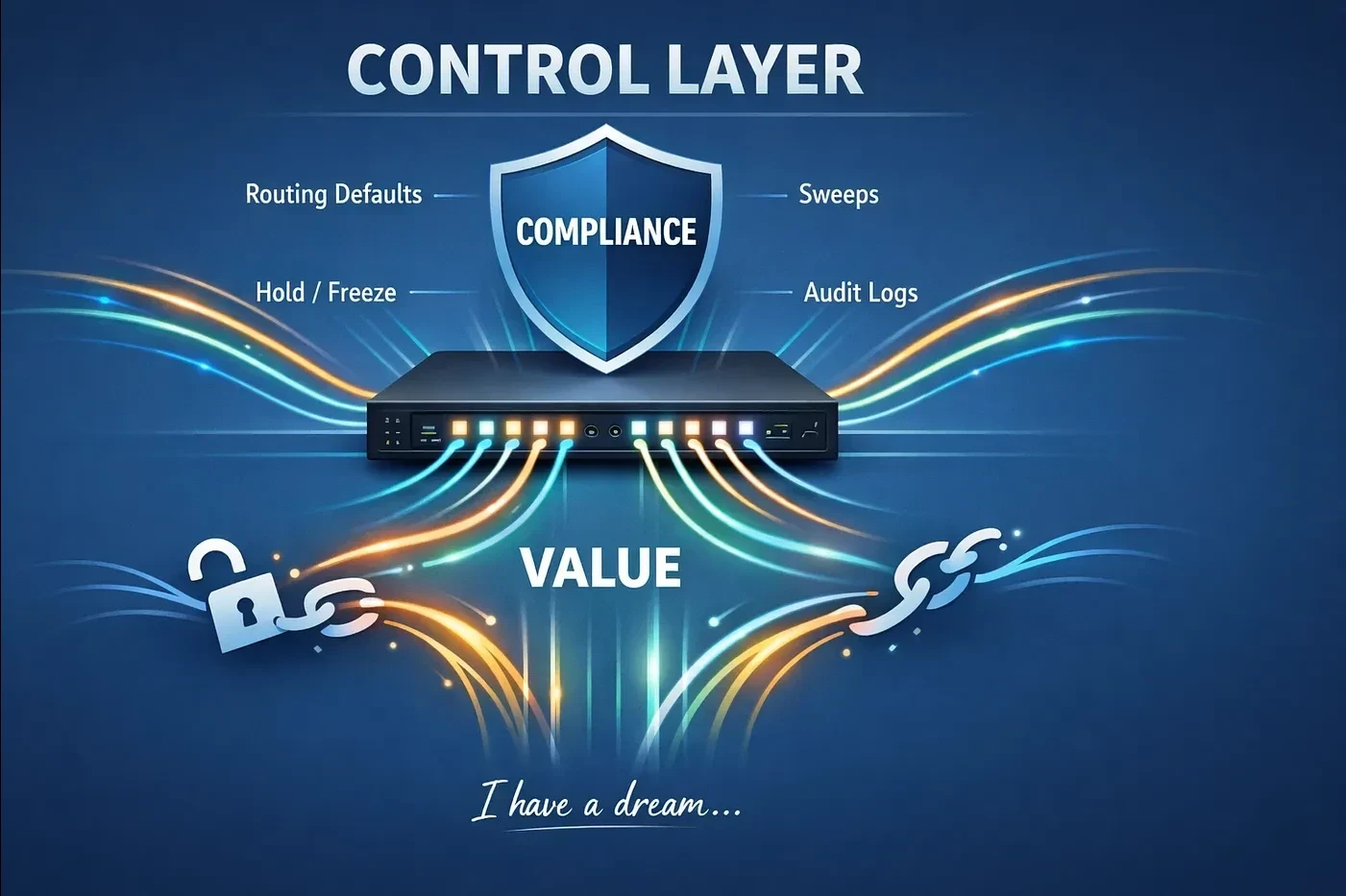
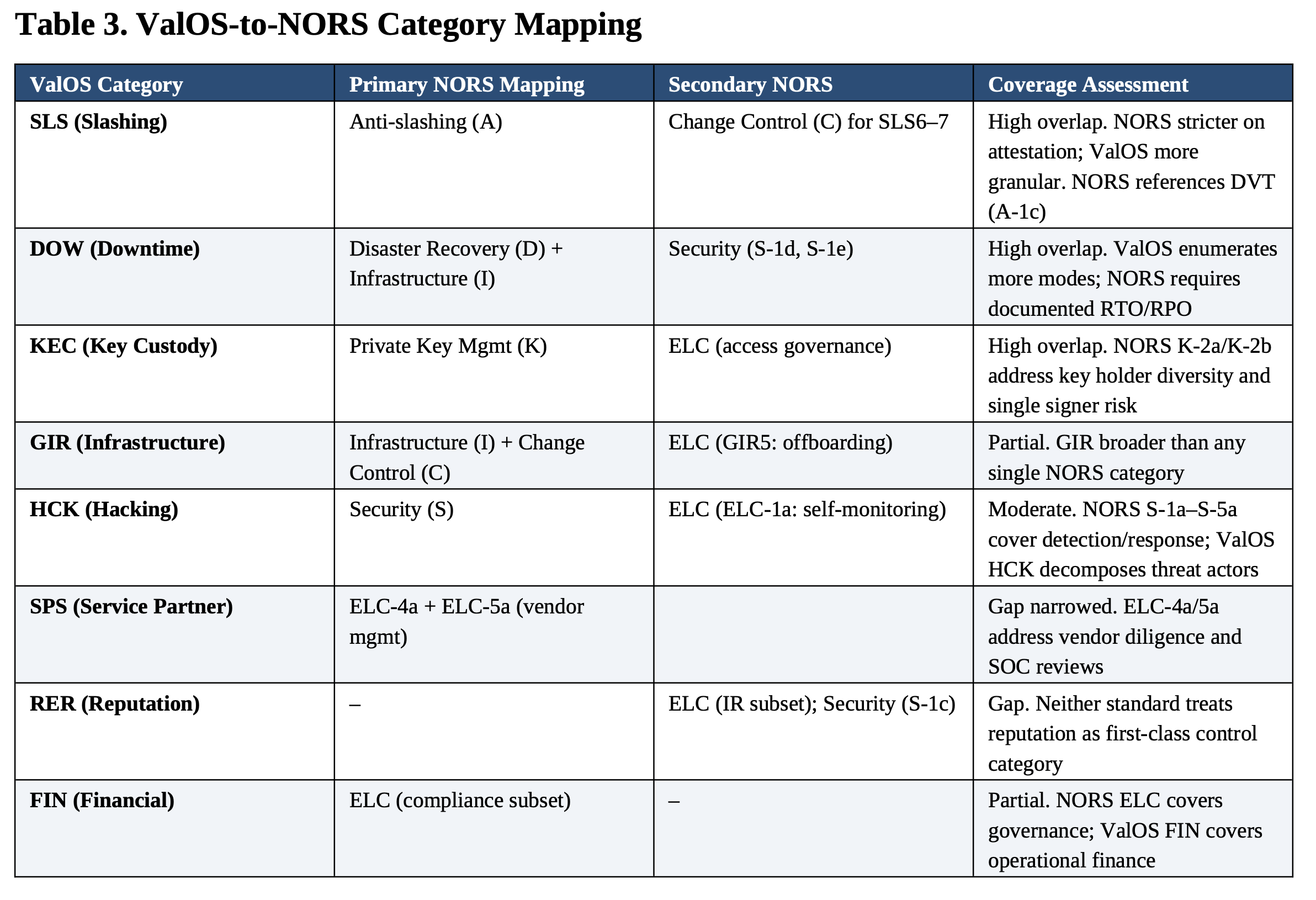
Track A measures how the same dollar token inherits different compliance surfaces, monetary-policy transmission, and stress behavior depending on which gateway routes it. Track B measures how emission design, governance structures, and infrastructure failures determine whether a token economy sustains productive contribution or concentrates into extraction.
Both tracks reach the same conclusion through independent data: the policy-relevant unit is the operator, not the instrument. Classify the token, but regulate and audit the operator.
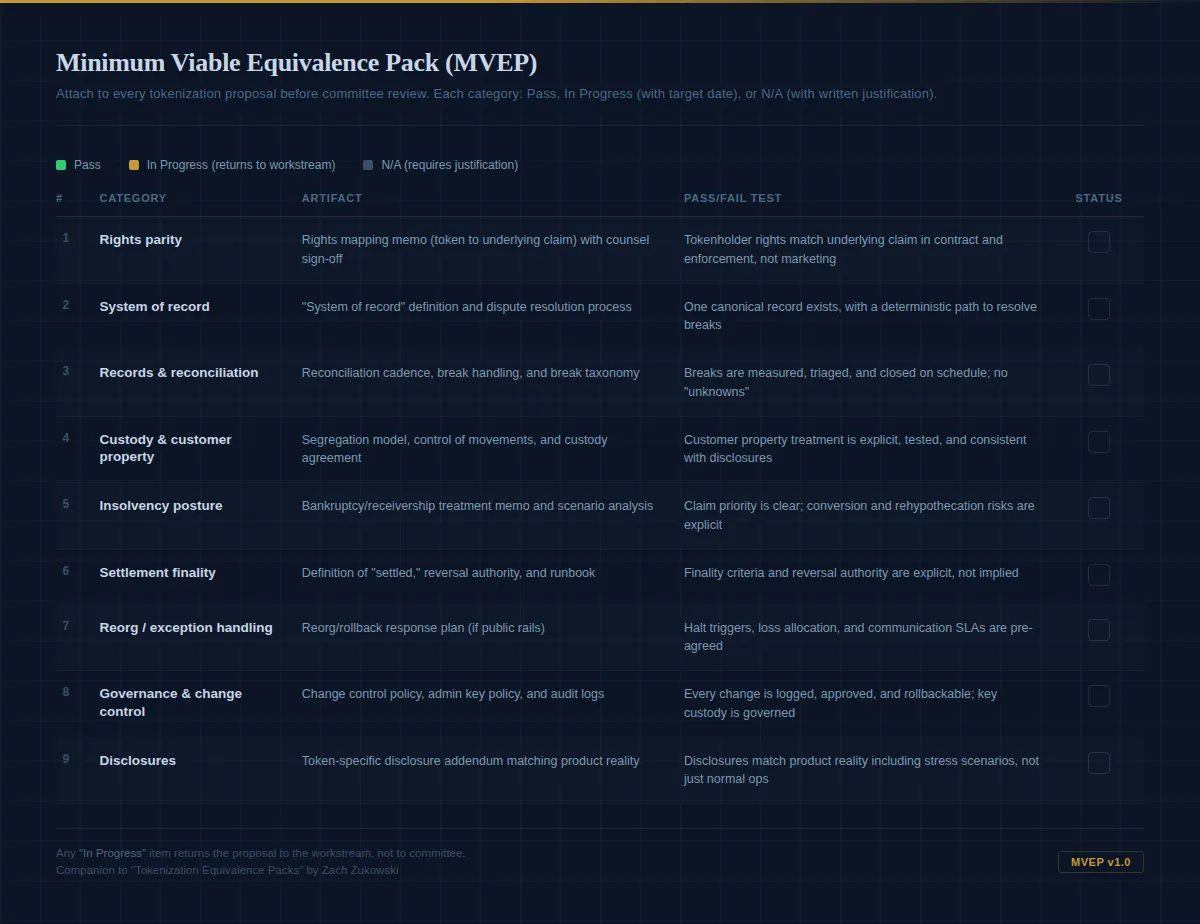
Why it matters: Names the gaps that determine whether institutions can hold, trade, and report tokenized equity with the same confidence as traditional shares.
Who it's for: Asset managers, custodians, and tokenization issuers.
Why it matters: Sequenced action plans through the 2028 compliance horizon help banks, investors, and stablecoin issuers prioritize what changes first.
Who it's for: Policy, Asset Management, and Compliance teams.
Track BTokenomics and Physical Network Systems (DePIN)
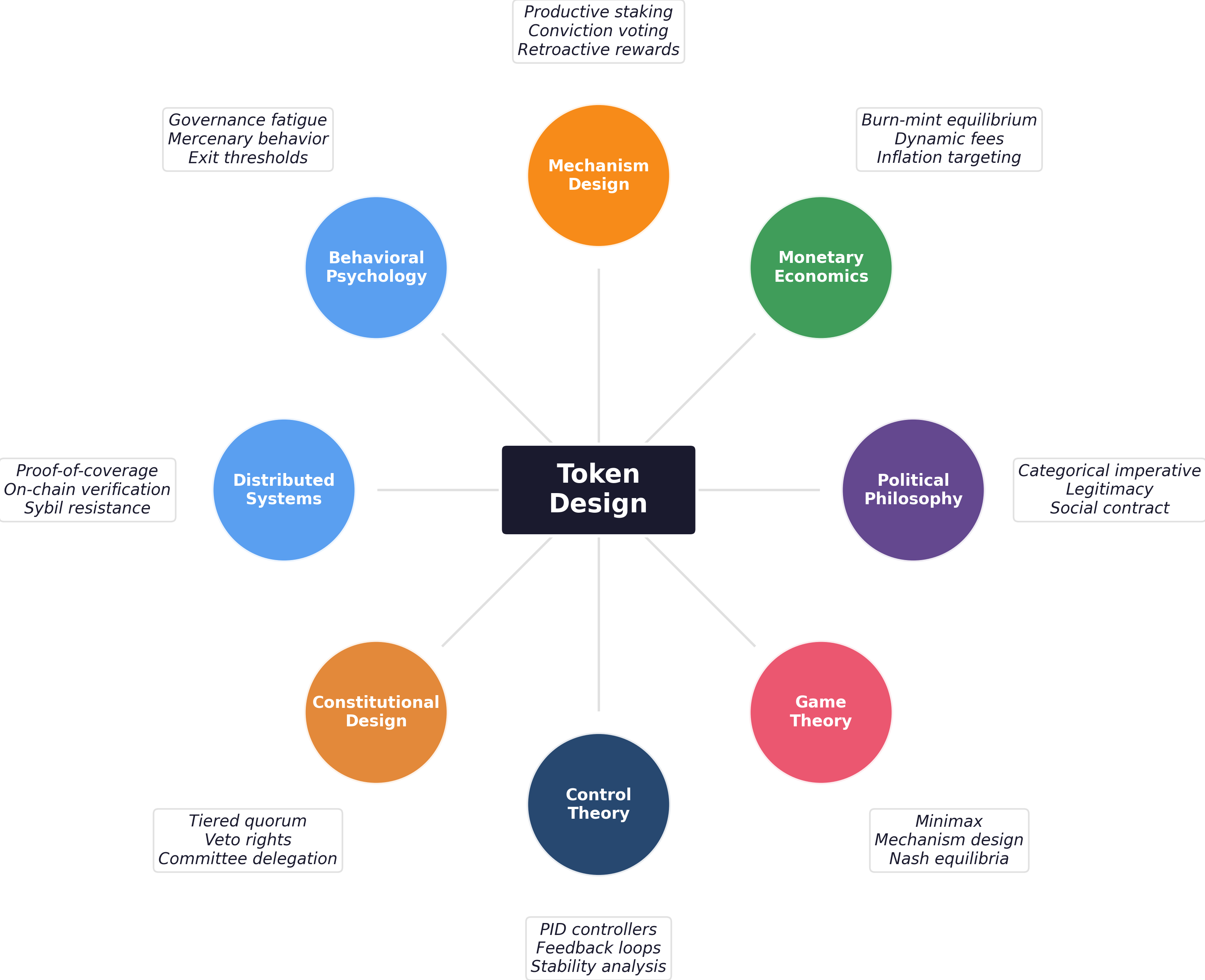
Track B asks whether token economies reward productive contribution or drift into extraction. Each paper specifies the mechanism, stress-tests it under adversarial conditions, and asks whether the design survives contact with real participant behavior.
Why it matters: The drivers of survival change with shock severity. Under ordinary conditions, slashing dominates supply dynamics. Under sustained contraction, adaptive emissions compress worst-case outcomes dramatically, sustaining roughly eight times more active participants than static policy. Reputation-weighted governance meaningfully reduces voting-power concentration. Pre-planned guardrails are essential: without them, the controller can destabilize the system it is designed to protect.
Who it's for: Protocol teams, token designers, network operators, investors.
Why it matters: Adaptive controllers and reputation systems respond to the same event in opposite directions. The result is a strong case for separate failure-handling architectures: one for emission control, one for governance.
Who it's for: Protocol teams, token designers, network operators.
Why it matters: The concentration gap traces to hardware capital barriers: earning tokens requires deploying physical infrastructure, which concentrates emission rewards among well-funded operators who can scale node fleets. Earned access should replace purchased access.
Why it matters: Helium's transition from subsidy-led growth to usage-supported operation was driven by three forces working together: growing real demand contributed most, followed by declining token price making each revenue dollar remove more tokens from circulation, and emission halvings reducing new supply. The decomposition turns that experience into replicable design patterns.
Why it matters: Surfaces failure patterns early-stage founders hit most: misaligned emissions, governance capture, and value leakage.
Who it's for: Founders, protocol teams, and early-stage investors.
How the tracks converge
Track A studies how the same dollar token, routed through different operators, inherits distinct regulatory exposure, interest-rate sensitivity, and crisis behavior. Track B studies how the same network, run under different reward schedules, penalty rules, and governance structures, produces distinct participation levels, concentration dynamics, and failure modes.
Cross-track comparison
Dimension
Track A (stablecoins)
Track B (token networks)
Where control concentrates
A small set of operators now dominates dollar-stablecoin routing. Volume doubled while the number of independent participants fell 25% and links between them thinned sharply. Growth expanded usage; control consolidated.
Governance voting across 12 networks is consistently concentrated in a small set of large holders. Concentration is the baseline outcome, present in every protocol studied.
What fails under stress
During the SVB bank run, three operators scoring within ten points of each other on the compliance index produced sharply divergent stress outcomes because their banking exposures differed.
Adaptive emissions act as insurance during sustained contraction: the controller adjusts issuance to retain operators, compressing worst-case variance and sustaining roughly eight times more participants than static policy. The cushion has a boundary: in tail scenarios, the controller overcorrects, issuing enough supply to deepen the decline it is designed to offset. Large-scale simulation (hundreds of runs) is the only way to locate that boundary; single trajectories miss it.
Where the economics sit
Stablecoin issuers earn reserve yield on Treasury bills. When the Fed changes rates, issuer economics shift with them, changing incentives to retain balances or absorb redemptions. The relevant economics sit one layer below the token, on the operator balance sheet.
Helium moved from covering a fraction of infrastructure costs in user fees to covering roughly twice its costs over 34 months, but the crossover remains fragile. The relevant economics sit in the operating model, one layer below the token.
Two research tracks, one conclusion: the token is the surface; control, failure, and revenue resolve at the operator layer.